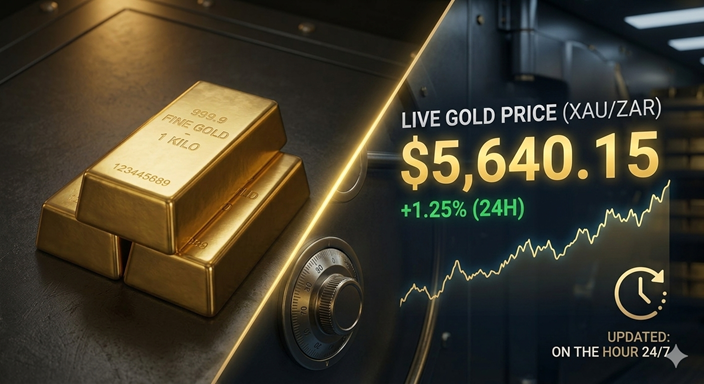
JOHANNESBURG – The global jewelry landscape is fracturing as we enter the second quarter of 2026. While gold prices have shattered expectations—trading between $5,500 and $5,600 per ounce—the natural diamond sector is aggressively tightening its belt, with global production forecast to hit its lowest output since 1992.
The Gold Surge: Beyond Jewelry
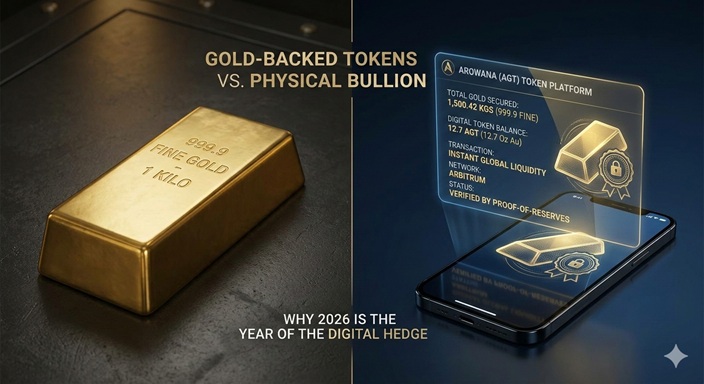
Gold’s 20% gain in early 2026 is being driven by what analysts call “Macro over Manufacture.” High geopolitical tension and central bank buying have pushed gold into a territory once considered unrealistic. For the jewelry industry, this has created a “pricing squeeze,” where the cost of raw materials is outpacing retail demand, leading many investors to pivot toward gold-backed digital tokens and “hard gold” investment pieces rather than traditional decorative sets.
Diamonds: The Scarcity Pivot
In a strategic move to stabilize a market battered by lab-grown competition, major producers including De Beers and ALROSA have slashed 2026 production guidance.
- Production Drop: Global supply is expected to hover around 105 million carats—a massive drop from the 150 million carats seen just a decade ago.
- The Cullinan Factor: Despite the pull-back, South Africa remains at the heart of “high-value” finds. Petra Diamonds recently recovered a 41.82-carat Type IIb blue diamond from the Cullinan Mine, a stone resembling the shape of Africa that experts estimate could fetch up to $40 million at auction.
What This Means for the Industry
As we move toward mid-2026, the narrative is shifting from “Diamonds are Forever” to “Diamonds are Rare.” Retailers are being urged to focus on E-E-A-T (Expertise, Experience, Authoritativeness, and Trustworthiness), using technical education to explain the widening value gap between commodity-grade stones and investment-grade natural rarities.